


PRECIOUS GEMSTONES
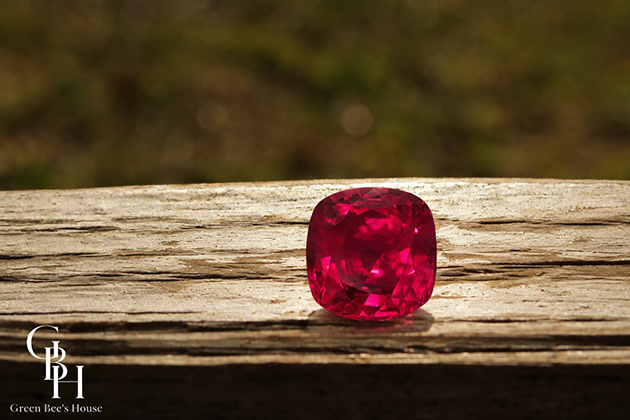
Ruby: A Gemstone of Passion and Power
Ruby, known for its captivating red hue, is one of the most revered gemstones in the world. It belongs to the corundum mineral family, which also includes sapphires. The name "ruby" is derived from the Latin word "ruber," meaning red. This striking gemstone has been treasured throughout history for its symbolic significance and exquisite beauty, often associated with passion, love, and power.
Rubies have held a place of high esteem throughout history. One of the traditional cardinal gems, alongside amethyst, sapphire, emerald, and diamond, ruby has been associated with power, passion and protection. Ancient civilizations believed that rubies possessed the ability to confer invincibility and ward off evil.
Since antiquity, the finest transparent pigeon blood color rubies have been found in the valley of rubies, located deep in the juggles of Myanmar (formerly Burma). These precious stones were beyond reach for a long time, lost in a maze of mountains. The allure and mystery surrounding these rubies add to their value and desirability. Other significant sources include Thailand, Sri Lanka, and Vietnam.
In more recent times, rubies have also been discovered in Madagascar, Mozambique, and Tanzania. The historical significance of rubies is profound, featuring prominently in various cultures and civilizations. They were highly valued by ancient Indian royalty, who also believed rubies possessed protective powers. Rubies have also adorned the crowns and jewelry of European monarchs, cementing their status as a symbol of wealth and nobility
The most defining characteristic of ruby is its vibrant red color, which can range from deep, dark red to bright, almost pinkish red hues. The presence of chromium within the stone is responsible for its distinctive color. The most prized rubies exhibit a rich, intense red with a hint of blue, often referred to as "pigeon's blood" red. This color, combined with high clarity and transparency, makes rubies exceptionally valuable and desirable.
Ruby continues to be one of the most beloved gemstones, celebrated for its brilliant red hues, significant hardness, combined with its rare and vivid color and rich historical significance.
Diamond: The Quintessential Gemstone
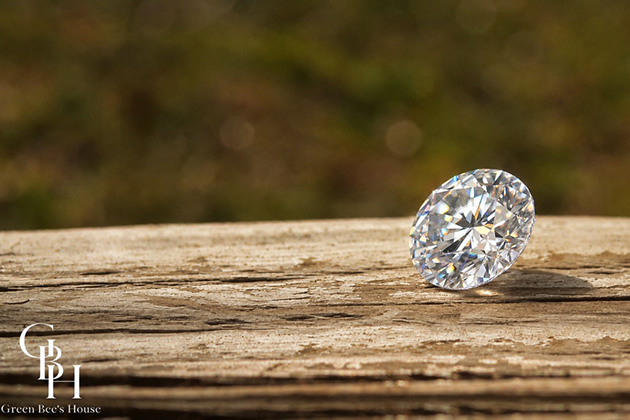
Diamonds are often considered the most iconic and treasured of all gemstones. Their unparalleled brilliance, extreme hardness, and deep cultural significance have made them a symbol of love, wealth, and eternity. From ancient myths to modern engagements, diamonds have captivated the human imagination for centuries.
The history of diamonds traces back to their discovery in India around the 4th century BCE, with the country being the world's only source for centuries. European royalty prized diamonds in the Middle Ages for their brilliance and mystical properties.
The practice of cutting diamonds began in the 15th century, enhancing their sparkle.
In the 18th century, diamond production shifted to Brazil.
The 19th century saw the establishment of the modern diamond industry with South African discoveries and marketing efforts by companies like De Beers.
The 20th century introduced new deposits in Russia, Canada, and Australia, diversifying global production and boosting the market with engagement ring traditions and cutting innovations.
The 21st century brought advances in lab-grown diamonds and a focus on ethical and sustainable practices.
Gem-quality diamonds over several carats are relatively rare, making larger specimens particularly noteworthy and valuable. Throughout history, several remarkable diamonds have been discovered, each with its own unique story. For example, the Cullinan Diamond, found in South Africa in 1905, weighed an astonishing 3,106 carats in its rough form. It was eventually cut into several smaller gems, including the Great Star of Africa, which is set in the British Crown Jewels.
Another famous diamond is the Hope Diamond, a 45.52-carat blue diamond known for its striking color and storied past, which includes tales of a legendary curse.
In December 2021, an exceptional 555.55-carat diamond known as "The Enigma" was unveiled, capturing the attention of gem enthusiasts worldwide. This unique black diamond is one of the largest ever discovered and was formed more than 2.6 billion years ago.
Other recent discoveries include a 442-carat diamond found in August 2020 at the Letšeng mine in Lesotho, confirming the ongoing potential for discovering remarkable diamonds.
Diamonds are renowned for their exceptional hardness, scoring a perfect 10 on the Mohs scale of mineral hardness. This unrivaled rating means diamonds are the hardest known natural material, capable of scratching all other substances. Their hardness not only contributes to their longevity and resistance to wear but also makes them ideal for various industrial applications, such as cutting, grinding, and drilling. In jewelry, this unparalleled durability ensures that diamonds retain their polish and brilliance for generations, making them timeless heirlooms.
While diamonds are often associated with being colorless, they actually come in a stunning array of colors. The majority of diamonds are colorless to near-colorless, and they are graded on a scale ranging from D (completely colorless) to Z (light yellow or brown). However, diamonds can also exhibit a spectrum of "fancy" colors, including blue, pink, yellow, green, and even rare hues like red and purple. These colored diamonds owe their unique shades to the presence of trace elements and structural anomalies. For instance, blue diamonds contain boron, while yellow diamonds have traces of nitrogen. The most prized diamonds, whether colorless or fancy-colored, boast vivid saturation and exceptional clarity, further enhancing their allure.
The diamond, April's birthstone, symbolizes purity, strength, and eternal love. It enhances inner strength, balance, and clarity, and aids in detoxification and metabolism. Spiritually, diamonds amplify energy, manifest abundance, and activate the crown chakra for higher consciousness.
The diamond, from its deep formation in the Earth's crust to its coveted position as a precious gemstone, is a true testament to natural magnificence. With its unmatched hardness, ability to shine intensely, and variety of colors, the diamond continues to fascinate jewelry enthusiasts and collectors worldwide. Large gem-quality diamonds are particularly rare and highly sought after.
Sapphire: The Gem of the Skies
Sapphires, synonymous with elegance renowned for their mesmerizing beauty and remarkable durability, are among the most sought-after gemstones in the world. These stunning gems belong to the corundum family, a mineral composed primarily of aluminum oxide, making them one of the hardest natural substances, second only to diamonds. With a stunning array of colors, today, sapphires continue to captivate enthusiasts and collectors alike, appreciated both for their remarkable durability and their striking hues.
Sapphires, one of the most cherished gemstones in the world, have a rich and fascinating history intertwined with their geographical origins. These precious stones are primarily found in regions known for their exceptional gem deposits, including Sri Lanka, Myanmar, Thailand, Madagascar, Australia, and Montana in the United States.
Sri Lanka, often referred to as the “Island of Gems,” has been a significant source of sapphires for centuries, with its deposits yielding vibrant blue varieties as well as unique colors such as Padparadscha. Myanmar’s legendary Mogok region is celebrated for producing some of the finest rubies and sapphires, while Madagascar has emerged as a dominant supplier in recent decades, boasting stunning blue and pink sapphires.
Historically, sapphires have been revered by various civilizations for their beauty and symbolic significance. Ancient Persians believed the sky was painted blue by the reflection of sapphires, and medieval European royalty often adorned themselves with these gemstones as a symbol of wisdom, loyalty and protection.
One of the most defining characteristics of sapphire is its impressive hardness. Ranking at 9 on the Mohs scale, it is surpassed only by diamond, making it highly resistant to scratches and an excellent choice for jewelry that endures daily wear.
Blue Sapphires
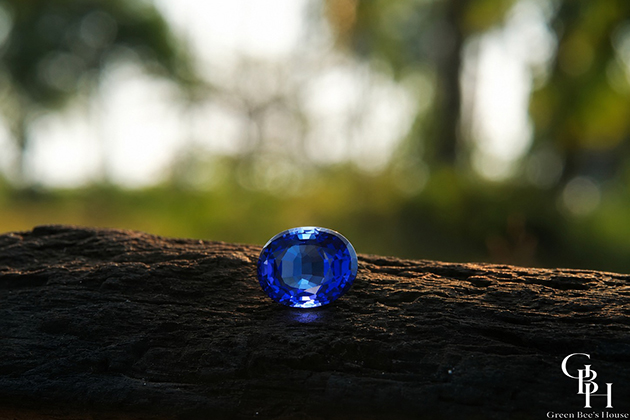
Blue sapphires are the most recognized and sought-after. The captivating blue is primarily due to the presence of iron and titanium. Interestingly, even a minuscule amount of these elements can induce the blue color, with higher iron content resulting in a darker blue. Among the most prized hues, Royal Blue stands out for its rich, deep saturation, offering a velvety intensity without appearing too dark.
Kashmir sapphires are widely considered among the most exquisite and rarest sapphires in the world. Originating from the remote Himalayan region of Kashmir, these gems are celebrated for their exceptional velvety texture and deep, rich cornflower blue hue—a color so distinctive that it has become a benchmark for fine sapphires.
Another highly sought-after shade is Blue Cornflower, whose name evokes the color of the flower—characterized by a bright yet delicate medium blue, with a slight violet undertone.
Among other notable shades, there is Sky Blue, which has a softer, pastel appearance, often with high transparency, and Steel Blue, known for its cooler, grayish hue that gives a sophisticated finish. The diversity of blue sapphire shades allows collectors and gem enthusiasts to appreciate the unique qualities of each stone, making them timeless treasures in fine jewelry.
Padparadscha
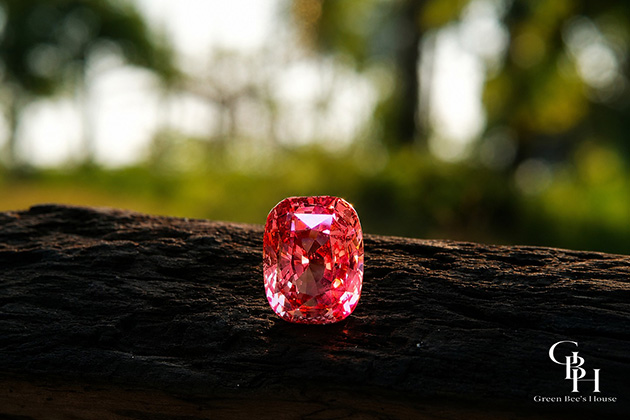
A rare and highly prized variety of sapphire is the Padparadscha, characterized by its delicate pinkish-orange hue. Its name is derived from the Sanskrit word for lotus flower, reflecting the gem's enchanting color.
Parti Sapphires
These are unique sapphires displaying two or more colors within a single stone, creating an exquisite natural artwork.
Rubies versus Sapphires
Interestingly, red corundum stones are classified as rubies, not sapphires. The distinction is purely color-based, with rubies being defined by their rich red shades. Pink-colored corundum can be classified either as ruby or sapphire, depending on the locale and specific color intensity.
Sapphire, the birthstone of September, has long been associated with wisdom, protection, and spiritual clarity. Revered across cultures, it is believed to enhance intuition and promote mental focus, making it a favored gem for scholars and seekers of truth. They have been associated with wisdom, loyalty, and protection, often appearing in royal jewelry and sacred artifacts.
In lithotherapy, sapphire is thought to balance emotions, bring inner peace, and support resilience against stress. Its calming energy is said to encourage honesty and strengthen personal relationships, making it a cherished stone for both adornment and well-being.
Sapphires are a testament to nature's ability to produce gems of unparalleled beauty and resilience. From the deep blues that mirror the night sky to the rare and coveted Padparadscha, sapphires offer a spectrum of colors that cater to diverse tastes and preferences. Their exceptional hardness ensures that their beauty is preserved for generations, making them a timeless choice for jewelry and adornment. Whether as a symbol of fidelity, a mark of royalty, or an expression of personal style, sapphires continue to captivate and inspire.
Padparadscha: A Gemstone of Unique Beauty
Padparadscha, a rare and stunning sapphire, is renowned for its unique blend of pink and orange hues. Belonging to the corundum mineral family, this gemstone has been cherished for centuries, symbolizing joy, creativity, and balance. Today, their scarcity and distinctive coloration make them highly valuable in fine jewelry and investment collections.
Padparadscha sapphires, prized for their delicate blend of pink and orange hues, are among the rarest and most sought-after sapphires in the world. Their name derives from the Sinhalese word for lotus blossom, reflecting their unique, delicate and captivating color that evokes the soft, warm tones of a setting sun.
Sri Lanka is the most renowned source of padparadscha sapphires, having produced these extraordinary gems for centuries. Other notable locations include Madagascar and Tanzania, which have yielded fine specimens in more recent years.
Historically, these sapphires were treasured by royalty and collectors, admired for their captivating beauty and symbolic association with creativity, prosperity, and enlightenment.
Padparadscha scores an impressive 9 on the Mohs scale of mineral hardness, making it one of the hardest gemstones available, second only to diamonds. This exceptional hardness makes padparadscha highly durable and suitable for all types of jewelry, including rings, bracelets, and pendants. Its resistance to scratching and abrasion ensures that padparadscha jewelry maintains its luster and beauty over time.
Padparadscha is characterized by its vibrant blend of pink and orange hues. Due to their rarity, strict classification standards exist to define the true padparadscha color, with the most prized sapphires exhibiting a perfect balance of pink and orange. This unique combination, along with high clarity and transparency, makes this gem exceptionally valuable and desirable.
Padparadscha sapphire, is regarded as a stone of creativity, vitality, and balance. While not traditionally associated with a specific birth month, it is often cherished by those drawn to its warm, uplifting energy.
In lithotherapy, Padparadscha sapphire is believed to stimulate emotional harmony, inspire artistic expression, and promote a sense of inner peace. It is said to encourage joy and optimism, helping individuals embrace change and new beginnings with confidence. This rare gem is also thought to enhance intuition and deepen spiritual awareness, self-discovery and personal growth.
Padparadscha continues to be one of the most beloved sapphires, celebrated for its unique coloration, significant hardness, and rich historical significance. Its radiant blend of pink and orange hues offers a distinct and captivating beauty, making it a cherished gemstone for collectors and jewelry enthusiasts alike.
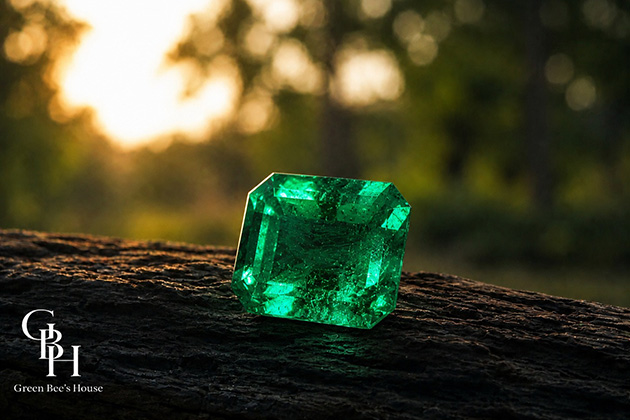
Emerald: The Enigmatic Green Gemstone
Emeralds, with their captivating green hues, have long been treasured for their beauty and rarity. A distinguished member of the Beryl family, this gemstone owes its vibrant color to traces of chromium and vanadium, making it one of the most sought-after jewels in history.
One of the most defining features of emeralds is their inclusions. Unlike diamonds, which are graded for clarity using a loupe, emeralds are graded by the naked eye. A stone with no visible inclusions to the naked eye is deemed flawless. The inclusions and fissures within an emerald tend to give it a mossy appearance, often referred to as "jardin," the French word for garden. These imperfections are unique to each emerald, providing a natural fingerprint that can be used to identify individual stones.
The earliest known emerald deposits were mined in Egypt as early as 1500 B.C., and Cleopatra herself was famous for her love of this gemstone. Ancient civilizations, including the Incas and Aztecs, also revered emeralds, attributing them mystical and protective qualities.
Today, the finest emeralds originate from Colombia, home to the legendary Muzo, Chivor, and Coscuez mines. Colombian emeralds are celebrated for their rich saturation and clarity, making them the benchmark of quality in the gemstone world. Other significant sources include Brazil, known for its lighter green emeralds, and Zambia, which produces vibrant, slightly bluish-green stones. Zimbabwe, Afghanistan, and Russia also contribute to global emerald production, each region offering distinctive variations in hue and clarity.
With a history steeped in royalty, mythology, and trade, emeralds continue to be symbols of luxury and refinement. Their journey from ancient mines to modern-day masterpieces showcases their enduring allure and status as one of the most coveted gems in the world.
The hardness of emeralds ranges between 7.5 and 8 on the Mohs scale, making them relatively hard but not invulnerable. Most emeralds, however, are known for their numerous inclusions and surface-breaking fissures, which significantly impact their toughness—or resistance to breakage. Consequently, the toughness of emeralds is generally considered poor.
The most prized emeralds exhibit a vivid primary green color with no more than 15% of any secondary hue, such as blue or yellow. These emeralds also possess a medium to dark tone, which enhances their depth of color. Eye-clean stones that meet these color standards command the highest prices in the market.
Due to the prevalence of inclusions and surface-breaking fissures in emeralds, most stones undergo treatments to enhance their appearance. One common method is the use of oil, which is applied to fill fractures and improve the stone's clarity. It is worth noting that stones devoid of surface-breaking fissures are exceedingly rare, making untreated, flawless emeralds highly valuable.
Emerald, the birthstone for May, has long been associated with renewal, vitality, and wisdom. It is revered for its lush green hues, symbolizing growth and harmony. In lithotherapy, emerald is believed to support emotional healing, enhance intuition, and promote balance in relationships.
This gemstone is closely linked to the heart chakra, fostering love, compassion, and inner peace. It is said to encourage forgiveness and strengthen bonds between loved ones. Emerald is also thought to aid in physical rejuvenation, supporting recovery and overall well-being.
Historically, emerald has been regarded as a stone of successful love, inspiring loyalty and domestic bliss. Some traditions even attribute protective qualities to emerald, believing it can shield against negative energies and enhance mental clarity.
Emeralds, with their rich history, unique properties, and captivating beauty, continue to be one of the most sought-after gemstones in the world. From ancient civilizations to modern-day collectors, the allure of emeralds remains timeless. Whether valued for their vivid color, unique inclusions, or the skilled craftsmanship required to cut and polish them, emeralds are a true testament to the wonders of nature.
 WhatsApp

